In the world of elite youth football, we often talk about “Technical Grit” and “Tactical Intelligence.” We spend 12 hours a week on the pitches in Harare perfecting various formations and refining ball mastery. However, there is a silent partner in every goal scored and every last-minute tackle made: Nutrition.
If a footballer is a high-performance vehicle, nutrition is the fuel. You can have the most expensive, finely tuned engine in the world, but if you put the wrong fuel in the tank – or worse, leave the tank empty – that vehicle will never reach its top speed. At Silver Studs FC, we believe that professionalism starts in the kitchen long before the first whistle blows.
The Science of the “90-Minute Engine”
To understand why match-day nutrition is critical, we must understand how the body moves. Football is a sport of repeated high-intensity sprints, rapid changes of direction, and sustained aerobic effort. This requires a specific type of energy called Glycogen, which is stored in the muscles and the liver.
Glycogen is derived primarily from carbohydrates. When a player runs, their body “burns” this stored fuel. If the fuel runs out, the player “hits the wall” – their legs feel heavy, their reaction time slows down, and their “Football IQ” drops because the brain is no longer receiving enough energy to make sharp decisions. For a Silver Studs athlete, our goal is to ensure the glycogen tank is overflowing by kick-off.
The Countdown: The Night Before the Match
Preparation for a Saturday morning match doesn’t begin on Saturday; it begins on Friday evening. This is known as “Carbohydrate Loading,” though for youth athletes, we prefer to call it “Fueling Up.”
The Friday dinner should be rich in Complex Carbohydrates. These are “slow-release” fuels that provide a steady stream of energy.
- The Blueprint Meal: Whole-wheat pasta with a light tomato sauce, brown rice with grilled chicken, or sweet potatoes with a lean protein source.
- What to Avoid: Highly processed “fast foods,” heavy creams, or excessively spicy dishes. These can cause inflammation or digestive distress that lingers into the next morning.
Hydration also begins here. Drinking a large glass of water with dinner ensures that the body’s cells are hydrated well before the heat of the Zimbabwean sun hits the pitch.
The Match-Day Breakfast: Timing is Everything
The goal of the match-day breakfast is to top up the energy stores that were used while the body was sleeping and repairing itself. Timing is the most critical factor here. We recommend eating your main pre-match meal 3 to 4 hours before kick-off.
This window allows the stomach to digest the food fully, ensuring that blood flow is directed toward the muscles rather than the digestive system when the game starts.
What to Eat
- Porridge or Oats: High in fibre and slow-release energy. Adding a banana provides potassium, which helps prevent muscle cramps.
- Eggs on Toast: A perfect balance of protein for muscle stability and carbohydrates for energy.
- Fruit Salad: Natural sugars that provide an immediate “wake-up” for the metabolism.
What to Avoid
- Sugary Cereals: These cause a “glucose spike” followed by a rapid “crash,” leaving the player feeling lethargic by half-time.
- High-Fat Meats: Bacon and sausages take too long to digest and can make a player feel “heavy” and sluggish on the ball.
The Pre-Match Snack: The 60-Minute Window
Approximately 60 to 90 minutes before kick-off, a player may need a small “booster.” This isn’t a full meal, but a quick hit of simple carbohydrates to sharpen the mind during the warm-up.
- Ideal Snacks: A plain cereal bar, a handful of raisins, or a small piece of fruit.
- The Rule: Keep it light. The goal is to feel energised, not full.
The Hydration Cycle: The “Sip Method”
Hydration is a pillar of our Training & Performance category because it directly impacts technical execution. A dehydrated player loses focus. They miss the simple five-yard pass because their brain is struggling to communicate with their feet.
In Harare’s climate, we teach the “Sip Method.” Instead of gulping down a litre of water just before the game – which leads to bloating and a “sloshing” feeling in the stomach – players should take small, frequent sips of water every 15 to 20 minutes throughout the morning.
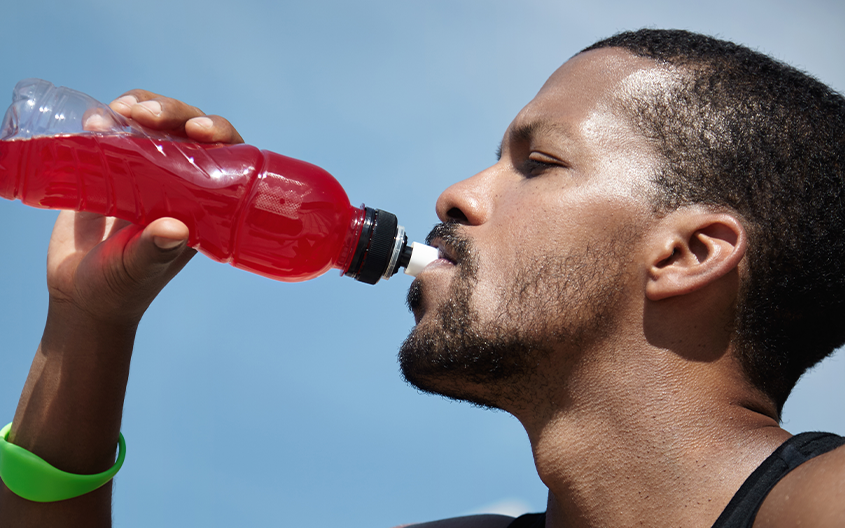
The Pro Tip: For high-intensity matches, a diluted fruit juice or a dedicated sports drink can provide “electrolytes” (salts) that are lost through sweat. This helps maintain the electrical signals in the muscles, preventing late-game cramps.
The Half-Time Reset
Half-time is a critical 15-minute window to “Refuel and Reset.” By this point, the player has likely used 50-60% of their stored energy.
The focus here is Rapid Glucose. We need sugar that can enter the bloodstream almost instantly. This is why you often see professional players eating orange slices or bananas at the break. At Silver Studs FC, we recommend a few sips of an isotonic drink and a quick-digesting fruit. This provides the “mental spark” needed to navigate the tactical complexities of the second half.
Post-Match: The Recovery Window
The match doesn’t end at the final whistle; the recovery for the next session begins immediately. Within 30 to 60 minutes of the game ending, the body is like a dry sponge, ready to soak up nutrients.
This is the time for Protein and Carbohydrates combined.
- Protein: To repair the muscle fibres that were strained during the 90 minutes.
- Carbohydrates: To replace the glycogen that was burnt.
- Recovery Snack: A chocolate milk (an excellent balance of protein and sugar), a chicken wrap, or a handful of nuts and dried fruit.
The Boutique Difference: Individual Responsibility
At Silver Studs FC, we provide the elite environment and the 12-hour training structure, but we cannot follow every player home to their kitchen. This is where the “Social Pillar” of our academy comes into play – taking personal responsibility for your development.
We encourage our athletes to keep a “Food Diary” for a few weeks. Note down what you ate before your best game and what you ate before your worst. You will quickly see a pattern. A player who fuels professionally is a player who performs professionally.
Conclusion: Fueling for the Future
Success is a choice made at the dinner table as much as it is on the training pitch. By following this match-day nutrition guide, our players ensure they are giving their talent the best possible chance to shine.
We are training for the “long game.” We want our athletes to have the stamina to compete in Harare today and the physical foundation to compete on the global stage tomorrow. Remember: Don’t just eat to be full; eat to perform.
You Might Also Like
Nothing Found